
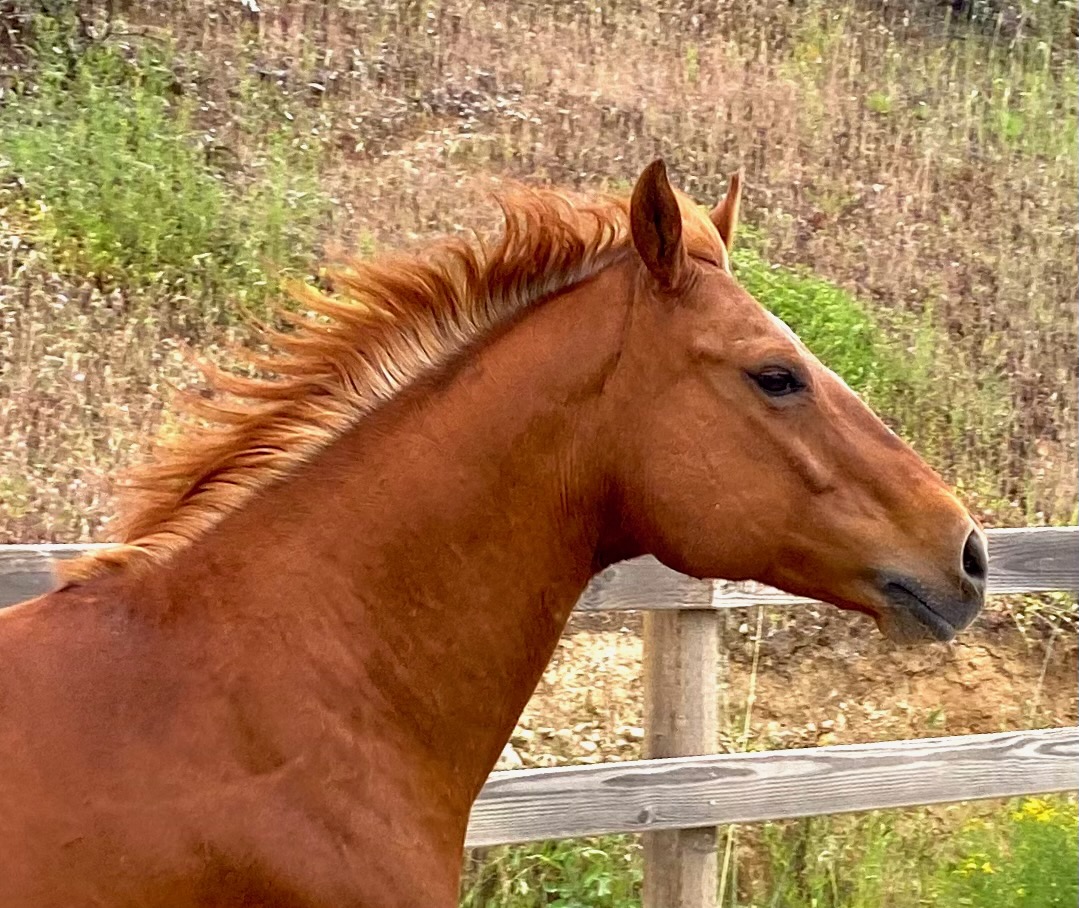
Introduction to PVEI Foundations: Workshop 1 of the ProPEL program
$1,800.00
This introduction workshop allows you to dip your toes into polyvagal principles, deepen your understanding, develop authentic connections, and incorporate these principles into your professional work—with or without horses. This comprehensive program enhances your knowledge of the polyvagal tenets in both equine and human behavior, augmenting your existing practices while adhering to your industry’s professional standards. This serves as workshop 1 of 2 for those enrolled in the 12 month ProPEL program.
7 in stock
Overall Workshop Goals:
- Establish a foundational understanding of Polyvagal Theory principles and practical applications
- Develop personal awareness of nervous system states and their impact on relationships
- Build essential skills in neuroception, co-regulation, and creating environments of safety
Day 1: Understanding Polyvagal Theory in Practice
Objectives:
- Identify the three primary autonomic states in Polyvagal Theory and their behavioral manifestations
- Practice recognizing personal nervous system cues and patterns
- Begin developing a vocabulary for describing autonomic states
- Establish a foundation of psychological safety within the learning community
- Apply observation skills to identify autonomic states in others
- Recognize subtle cues that indicate state shifts in real-time interactions
- Document and describe observable markers of ventral vagal, sympathetic, and dorsal vagal states
- Integrate morning concepts through practical application and reflection
Day 2: Connecting Polyvagal Principles to Practice
Objectives:
- Explain how neuroception functions as our unconscious risk assessment system
- Identify key indicators of safety and threat in social environments
- Recognize how temperamental differences influence autonomic expression
- Articulate the relationship between felt safety and capacity for social engagement
- Demonstrate basic co-regulation techniques in dyadic exercises
- Apply theoretical concepts to specific case examples
- Provide constructive feedback on observed co-regulation dynamics
- Identify personal strengths and challenges in co-regulatory relationships
Day 3: Creating Safety and Connection
Objectives:
- Define the neurophysiological underpinnings of effective co-regulation
- Practice maintaining a presence during emotional activation
- Develop skills for working with different levels of nervous system activation
- Identify group dynamics that enhance or diminish feelings of safety
- Demonstrate basic facilitation skills that support group co-regulation
- Develop preliminary safety protocols for professional settings
- Identify key ethical considerations in polyvagal-informed practice
- Apply polyvagal concepts to complex case examples
Day 4: Integration and Application
Objectives:
- Demonstrate advanced skills in observing autonomic states
- Apply multiple polyvagal concepts in integrated practice sessions
- Provide specific, constructive feedback to peers
- Refine preliminary safety protocols based on new insights
- Present case examples incorporating polyvagal framework
- Collaborate on solutions to complex nervous system challenges
- Develop a personalized plan for continued learning and integration
- Articulate key learnings and next steps in polyvagal practice development
Event Details
Lunch is included, please email office@polyvgalequineinstitute.com any food allergies.
Date: June 12, 2026
Start time: 09:30 a.m. PDT
End time: 04:00 p.m. PDT
Email: Office@PolyvagalEquineInstitute.com